How Crypto Firms Reframe Reasonable Regulation as Persecution
In the labyrinthine world of cryptocurrency, a curious narrative has emerged with remarkable staying power. Dubbed “Operation Chokepoint 2.0,” this supposed conspiracy theory claims that shadowy federal bureaucrats orchestrated a covert campaign to strangle the crypto industry by denying it access to banking services. The tale is cinematic in its simplicity: innovative disruptors versus a vindictive establishment determined to protect its turf at all costs.
https://www.linkedin.com/in/robert-nogacki-7503491a5/
THE WIRED: Chokepoint 2.0: An Investigation Promises the Truth About Crypto’s Biggest Conspiracy. Did bureaucrats in the US plot to cut the crypto industry out of the banking system? An investigation begins.
https://www.wired.com/story/operation-chokepoint-20-crypto-debanking-conspiracy/
There’s just one problem – this compelling narrative conveniently ignores the mundane reality that cryptocurrency businesses present genuine, well-documented risks that any prudent financial institution would be remiss to ignore.
Consider the landscape: In recent years, the cryptocurrency sector has witnessed spectacular implosions (FTX, Terra/Luna), rampant fraud (OneCoin, BitConnect), and persistent concerns about money laundering and sanctions evasion. These aren’t hypothetical risks conjured by paranoid regulators – they’re documented incidents that have cost investors billions and undermined public confidence in digital assets.
Banking is fundamentally a risk management business. When executives at financial institutions evaluate potential clients, they aren’t engaging in ideological persecution – they’re making calculated decisions about exposure to operational, reputational, and regulatory risk. The notion that these assessments constitute a conspiracy requires an extraordinary suspension of disbelief.
What crypto advocates frame as persecution is simply due diligence in action. Banks don’t need shadowy government directives to be cautious about an industry where major players can vaporize overnight, taking customer funds with them. They don’t need bureaucratic arm-twisting to think twice about servicing businesses operating in regulatory gray areas with demonstrated vulnerabilities to fraud and illicit finance.
The “Chokepoint” narrative performs several convenient functions for the crypto industry. First, it deflects attention from the sector’s genuine shortcomings by casting crypto businesses as victims rather than risk vectors. Second, it creates a common enemy, uniting an otherwise fractious industry around a shared grievance. Third, and perhaps most importantly, it frames reasonable regulatory scrutiny as illegitimate persecution, attempting to delegitimize the entire regulatory apparatus.
This victimhood narrative reaches its zenith in congressional hearings where crypto executives recount tales of banking woes as though they were martyrs for financial freedom rather than businesses being subjected to standard risk assessment. The rhetorical sleight of hand is remarkable – transform normal business decisions about client risk into evidence of a vast governmental conspiracy.
What the cryptocurrency industry demands is exceptional treatment – the benefits of integration with the traditional financial system without the corresponding responsibilities and risk management that all other financial services participants must accept. They want the legitimacy and convenience of banking relationships without addressing the fundamental concerns that make banks hesitant to serve them.
When a bank refuses service to a cryptocurrency firm, it is not evidence of conspiracy but of capitalism functioning as designed. Risk assessment is not persecution. Due diligence is not discrimination. Reluctance to expose shareholders to potential losses is not a coordinated attack.
The irony becomes particularly rich when one considers that many cryptocurrency proponents have long proclaimed their intention to disrupt or replace the very banking system they now demand access to. Having positioned themselves as alternatives to traditional finance, they express outrage when traditional finance treats them as outsiders.
The truth about “Operation Chokepoint 2.0” is far less cinematic than its proponents suggest. There is no shadowy cabal of bureaucrats plotting the industry’s demise. There are only financial institutions making reasonable risk assessments based on observable patterns of volatility, regulatory uncertainty, and documented instances of catastrophic failure within the crypto sector.
Until cryptocurrency businesses address these fundamental concerns – through meaningful self-regulation, transparent operations, and acceptance of proportionate oversight – they will continue to face challenges accessing banking services. This isn’t persecution; it’s prudence. It isn’t conspiracy; it’s common sense.
The sooner the industry abandons its persecution complex and acknowledges legitimate concerns about its operations, the sooner it might earn the banking relationships it so desperately seeks. Conspiracy theories may be comforting, but they’re poor substitutes for compliance, risk management, and responsible innovation. The path to legitimacy lies not through congressional investigations of imagined plots, but through demonstrating that cryptocurrency can function without becoming a haven for the very activities that financial regulations were designed to prevent.
The crypto industry’s future depends not on exposing fictional conspiracies, but on addressing very real concerns. Until then, “Operation Chokepoint 2.0” will remain what it has always been – a convenient fiction that transforms reasonable caution into imagined persecution, allowing an industry to avoid confronting its own shortcomings by blaming others for problems largely of its own making.
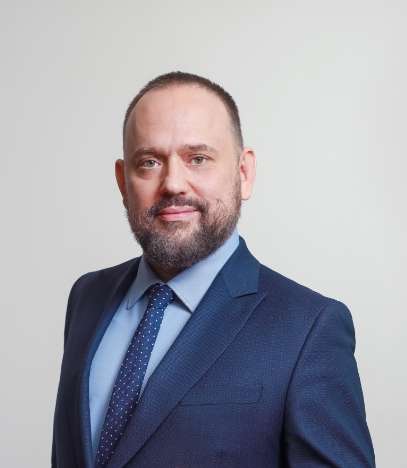
Robert Nogacki is a Polish attorney at law (radca prawny), the founder and managing partner of Kancelaria Prawna Skarbiec (Skarbiec Law Firm), which has operated continuously since 2006.
The law is equal for everyone, but the parties rarely are: on one side stands an organization with time, money, and lawyers, on the other a person with one business, one nest egg, and one life.
Clients rarely come to him with a legal problem. They come with a problem that also has a legal side: an audit that began with a single invoice, money entrusted to someone who has disappeared, a company that has to be passed on before it is too late. Most such matters are decided long before the first letter is written, in decisions made without asking and in deadlines nobody remembered. So he begins by asking how the client got here, not what the client should have done.
He advises entrepreneurs and families from more than a dozen countries, including those whose accounts the tax office has just seized and who do not know what to do tomorrow morning. He defends them in tax audits, customs and fiscal inspections, disputes with the tax authorities, and criminal tax proceedings. He represents victims of investment fraud and Ponzi schemes. He helps families set up family foundations and plan succession, so that a life’s work outlasts a single generation.
Not every case can be won. Every case can be run so that the client knows where they stand. Since 2006 he has represented the victims in the WGI case (Warszawska Grupa Inwestycyjna, the Warsaw Investment Group), one of the longest criminal cases in the history of the Polish financial market, because some things must not be left half finished, even when they take two decades. In the case of the collapsed cryptocurrency exchange Zonda (Zondacrypto, operated by BB Trade Estonia OÜ), he represents several hundred victims in the criminal investigation conducted by Poland’s National Prosecutor’s Office and in the Estonian bankruptcy proceedings.
Kancelaria Prawna Skarbiec is listed in the rankings of Poland’s largest tax advisory firms published by Dziennik Gazeta Prawna and Rzeczpospolita, and it is a four-time recipient (2015 to 2018) of the European Medal awarded by the Business Centre Club and the European Economic and Social Committee. Robert Nogacki publishes regularly, in the press and on the firm’s website, for people who have a problem rather than a law degree, because a legal opinion the client cannot understand protects only the lawyer.
He believes that the best legal advice is the kind that means the client never has to appear in court.